

close
Choose Your Site
Global
Social Media
Views: 0 Author: Site Editor Publish Time: 2026-01-22 Origin: Site
Are you tired of dealing with error codes or flickering lights in your vehicle? The solution might be as simple as upgrading your bulbs.
In this article, we will explore the differences between CANbus LED and non CANbus LED technologies, and how each affects your vehicle’s performance. You will learn which type of LED is best suited for your vehicle and why it matters.
CANbus LED technology plays a crucial role in modern automotive lighting, enhancing both performance and vehicle compatibility. Unlike traditional LED lights, CANbus LEDs are designed to interact with a vehicle's electrical system in a way that prevents error messages and ensures smooth integration with complex vehicle electronics. This section explains the core aspects of CANbus LED, highlighting its functionality, features, and advantages.
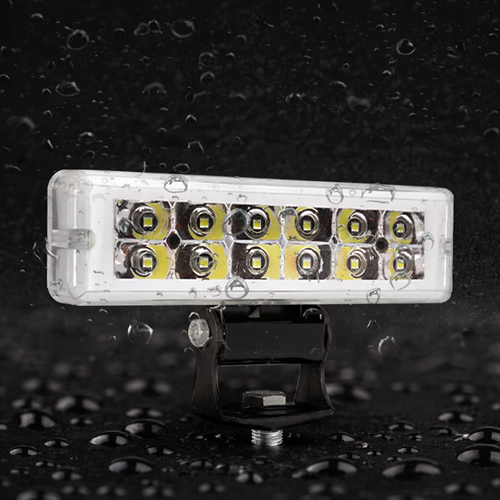
The CANbus system is an integral part of a vehicle’s communication network, used to transfer data between various control units, sensors, and modules. CANbus LEDs are specifically designed to work seamlessly within this system by communicating with the vehicle's onboard diagnostics. Unlike regular LEDs, CANbus LEDs include a built-in resistor or controller that ensures they behave like traditional bulbs. This integration prevents issues like bulb-out warnings or flickering that might otherwise arise from incompatible or improperly connected lights.
One of the standout features of CANbus LEDs is their built-in resistance, which helps prevent error messages from appearing on the vehicle's dashboard. This resistance simulates the load of an incandescent bulb, allowing the car’s system to recognize the LED as a proper working light. Additionally, CANbus LEDs are designed to be fully compatible with modern vehicles' onboard diagnostics (OBD) systems, which monitor and report any malfunctioning components. As a result, drivers experience fewer technical issues, and their vehicle's diagnostic system remains accurate and error-free.
CANbus LEDs offer numerous advantages, starting with enhanced performance and longevity compared to traditional incandescent bulbs. They are not only brighter and more durable but also have a much longer lifespan, reducing the need for frequent replacements. These LEDs also significantly reduce the risk of error codes and flickering lights, which are common issues with non-CANbus LEDs. Furthermore, CANbus LEDs contribute to better energy efficiency in vehicles. By drawing less power from the electrical system while providing optimal brightness, they help conserve battery life and reduce overall energy consumption, which is especially beneficial for electric and hybrid vehicles.
Non CANbus LEDs are a more traditional type of LED lighting technology used in vehicles. While they offer significant energy efficiency benefits, they are not designed to communicate with a vehicle's onboard electronics as CANbus LEDs do. This section explores what makes non CANbus LEDs different, their features, and why they might be suitable for certain applications.
Non CANbus LEDs are basic LED lights that do not include the integrated controller or resistors required for proper communication with a vehicle’s electrical system. Unlike CANbus LEDs, they lack the features that ensure smooth integration with the vehicle’s diagnostic system, often leading to issues like error codes or flickering lights. These LEDs are commonly used in older vehicles or in aftermarket lighting solutions where sophisticated compatibility with vehicle electronics is not required.
One of the main characteristics of non CANbus LEDs is their simplicity. These LEDs are cost-effective and easy to install, making them an attractive option for basic automotive lighting upgrades. However, they do not come with the built-in resistance or error-resistance features that CANbus LEDs offer, meaning that they may trigger error codes or cause flickering on newer vehicles. Non CANbus LEDs are typically used in older models that do not have complex onboard diagnostic systems.
Non CANbus LEDs are often favored for their lower initial cost. Since they do not include the added technology found in CANbus LEDs, they are more affordable, making them ideal for budget-conscious consumers. Additionally, their installation is simpler, especially in older vehicles that do not require the compatibility offered by CANbus systems. This ease of installation, along with the lower upfront cost, makes non CANbus LEDs a popular choice for DIY enthusiasts and for upgrading older vehicles.
The main differences between CANbus LED and non CANbus LED technology stem from their compatibility with vehicle systems, performance, cost, and longevity. Understanding these differences can help drivers choose the right LED lighting for their vehicles based on their needs and vehicle type.
CANbus LEDs are specifically designed to integrate seamlessly with modern vehicle systems. They communicate with the vehicle’s onboard diagnostics, preventing issues such as error codes or flickering lights. This makes them ideal for newer vehicles that rely on CANbus for efficient communication between electronic components. In contrast, non CANbus LEDs are not equipped with this integration, meaning they are more likely to cause error messages or malfunction in newer vehicles that expect a traditional bulb’s electrical load.
CANbus LEDs provide a reliable, error-free performance due to their built-in resistance and compatibility with vehicle diagnostics. They are designed to simulate the behavior of traditional incandescent bulbs, which helps avoid problems such as flickering or dashboard warnings. Non CANbus LEDs, on the other hand, may encounter operational issues in newer vehicles, such as triggering "bulb-out" warnings or experiencing flickering due to the lack of load resistance or CANbus communication.
Non CANbus LEDs generally come at a lower initial cost compared to CANbus LEDs, making them an attractive option for budget-conscious drivers. Installation of non CANbus LEDs is often simpler, especially in older vehicles that don’t rely on advanced diagnostics. CANbus LEDs, while more expensive, offer a smoother and error-free experience for modern vehicles, but they may require a slightly more involved installation process to ensure proper integration with the vehicle's systems.
Both CANbus and non CANbus LEDs offer excellent durability compared to traditional bulbs. However, CANbus LEDs typically have a longer lifespan due to their compatibility with modern vehicle electronics, which ensures they function optimally without causing strain on the system. Non CANbus LEDs, although durable, may face reduced lifespan if used in vehicles that trigger frequent errors or cause flickering, as the system may exert unnecessary stress on the components over time.
Feature | CANbus LED | Non CANbus LED |
Compatibility with Modern Vehicles | Fully integrates with modern vehicle systems and onboard diagnostics. | Limited compatibility, may cause error codes or flickering in newer vehicles. |
Performance and Reliability | Error-free, avoids flickering and warning lights. | May trigger "bulb-out" warnings and flicker in some vehicles. |
Cost and Installation | Higher cost, more complex installation. | Lower cost, easier installation, especially in older vehicles. |
Durability and Lifespan | Longer lifespan due to better system integration and reduced strain. | Generally durable, but may have a shorter lifespan due to frequent errors or flickering. |
Choosing between CANbus and non CANbus LEDs depends on the vehicle type, its electrical system, and the desired performance. This section will help you decide when it’s best to opt for CANbus LEDs, highlighting their ideal use cases, diagnostic benefits, and impact on vehicle safety systems.
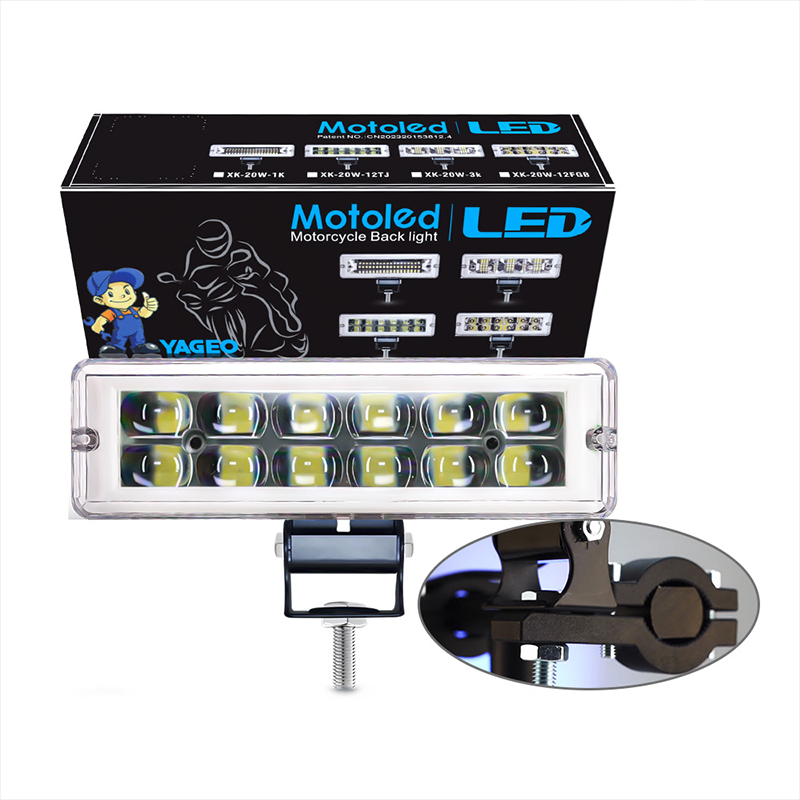
CANbus LEDs are ideal for modern vehicles equipped with complex electrical systems that rely on precise communication between components. These LEDs are designed to integrate seamlessly with the vehicle’s onboard diagnostic system, which is essential for vehicles manufactured in the last decade. If your vehicle is equipped with advanced features such as automatic braking, traction control, or advanced lighting systems, CANbus LEDs ensure error-free operation and compatibility. For vehicles that need reliable, long-lasting lighting without the hassle of error messages or flickering, CANbus LED lights are the best choice.
One of the key benefits of using CANbus LED is its ability to maintain the integrity of your vehicle’s diagnostic system. Modern vehicles use CANbus for real-time communication between different control units, including monitoring the status of the lights. CANbus LEDs are built to work within this system, allowing them to prevent diagnostic errors such as "bulb-out" warnings or system malfunctions. By providing accurate feedback to the vehicle’s computer, CANbus LEDs ensure the system continues to operate as intended, reducing the likelihood of unnecessary maintenance or troubleshooting due to incorrect error codes.
CANbus LEDs have a significant impact on the integration of vehicle safety systems, such as airbags, braking systems, and electronic stability control. Modern vehicles rely on precise signals to activate and monitor safety features. Because CANbus LEDs are designed to communicate with the vehicle's onboard electronics, they help ensure that safety systems receive the correct signals regarding the operational status of lights. For example, the braking system can depend on accurate rear light signals to function properly, and incorrect or faulty lights may interfere with such systems. By ensuring compatibility and preventing signal issues, CANbus LEDs contribute to the safe and reliable operation of these crucial systems.
Non CANbus LEDs can be an excellent choice for certain vehicles and applications. While they may not offer the advanced compatibility of CANbus LEDs, they serve specific purposes where cost and simplicity are the top priorities. This section will highlight when it’s ideal to choose non CANbus LEDs, and discuss the limitations that come with them.
Non CANbus LEDs are well-suited for older vehicles or vehicles that do not have advanced onboard diagnostics systems. These vehicles typically do not rely on the precise electronic communication that newer models use. Non CANbus LEDs are a great budget-friendly option for basic lighting upgrades in such vehicles. They are ideal for simple applications where the vehicle's diagnostic system will not be affected by the lack of load resistance or advanced compatibility features, and when the driver is looking for a cost-effective way to improve lighting performance.
Despite their affordability, non CANbus LEDs have several limitations, particularly when used in newer vehicles with advanced onboard electronics. Without the built-in resistance that CANbus LEDs provide, non CANbus LEDs can trigger error codes, cause flickering, or even interfere with the vehicle’s electronic systems. In vehicles equipped with sophisticated diagnostic systems, these issues can lead to warnings or even malfunctions. Therefore, non CANbus LEDs may not be the best choice for modern vehicles that require seamless integration with the vehicle's electrical system.
Installing LED lights in your vehicle can enhance both its appearance and functionality. However, it’s important to understand the installation considerations for different types of LEDs, as CANbus and non CANbus LEDs have distinct requirements. This section will guide you through the key installation points for each type.
When installing CANbus LED lights in a compatible vehicle, the most important step is to ensure that your vehicle’s electrical system supports CANbus integration. This means verifying that the vehicle has an onboard diagnostic system that communicates with the LED lights. Before beginning the installation, check for compatibility with the vehicle’s manufacturer specifications, as some older models may not support CANbus LEDs. During installation, it’s essential to make sure the LED is securely connected to the vehicle’s power supply, and there is no need for additional load resistors. If your vehicle is equipped with CANbus technology, the lights should operate without error codes or flickering. Always double-check connections and ensure proper placement to avoid issues.
Non CANbus LEDs are simpler to install, especially in older vehicles without onboard diagnostics systems. Before installation, ensure that your vehicle does not rely on advanced electrical systems that require CANbus communication, as non CANbus LEDs may trigger error codes in such vehicles. The installation process typically involves removing the old bulb and replacing it with the new LED, but it’s important to check the polarity of the connectors to ensure proper operation. Common issues users may face during installation include flickering or non-functioning LEDs due to incorrect installation or lack of proper resistance. If flickering occurs, a simple solution may be to install a resistor to simulate the load of a traditional bulb.
This article explains the key differences between CANbus and non CANbus LEDs, highlighting their compatibility, performance, and installation considerations. CANbus LEDs are ideal for modern vehicles with complex systems, while non CANbus LEDs suit older models and budget-friendly upgrades. When choosing the right LED, consider your vehicle's age, electrical system, and long-term efficiency needs. Tinye Technology CO., LTD. offers high-quality CANbus LEDs that ensure error-free performance and reliable integration, providing excellent value for modern vehicle owners.
A: A CANbus LED is designed to integrate with a vehicle's onboard diagnostic system, providing error-free performance by mimicking the load of traditional bulbs. This ensures proper communication with modern vehicle electronics.
A: CANbus LED is preferred for vehicles with complex electrical systems or advanced diagnostics, ensuring seamless integration without error messages. Non CANbus LEDs may cause compatibility issues in such cases.
A: CANbus LEDs offer enhanced reliability, error-free operation, and energy efficiency by integrating with modern vehicle systems, preventing issues like flickering or bulb-out warnings.
A: While CANbus LEDs have a higher upfront cost, their longer lifespan, reduced error issues, and better integration with vehicle systems can lower long-term maintenance costs for commercial fleets.


