

close
Choose Your Site
Global
Social Media
Views: 0 Author: Site Editor Publish Time: 2026-01-29 Origin: Site
Have you ever wondered if your car has fog lights? These special lights are designed to improve visibility in low-visibility conditions like fog, rain, or snow. But are they included in every vehicle?
In this article, we'll explore the role of fog lights, when and why they are included in cars, and how to check if your vehicle has them.
Fog lights are a useful addition to a car’s lighting system, designed to improve visibility in low-visibility conditions such as fog, rain, or snow. However, not all cars come equipped with fog lights. The presence of fog lights depends on several factors, including the vehicle’s make, trim level, and the regulations of the region in which it is sold.
Not all cars come with fog lights as standard equipment. Whether a vehicle has fog lights often depends on the make and model, as well as the trim level. Base models or entry-level vehicles are less likely to have fog lights, as they are usually considered an optional feature or reserved for higher trim levels. For example, compact sedans and economy cars may not include fog lights in their basic versions, while higher trims may offer them either as standard equipment or as part of a package. Additionally, regional regulations can play a role. In regions with frequent fog, such as parts of Europe, rear fog lights are required by law, which is why many vehicles in these regions will have them. In contrast, countries like the United States do not mandate fog lights, which results in many vehicles lacking them altogether.
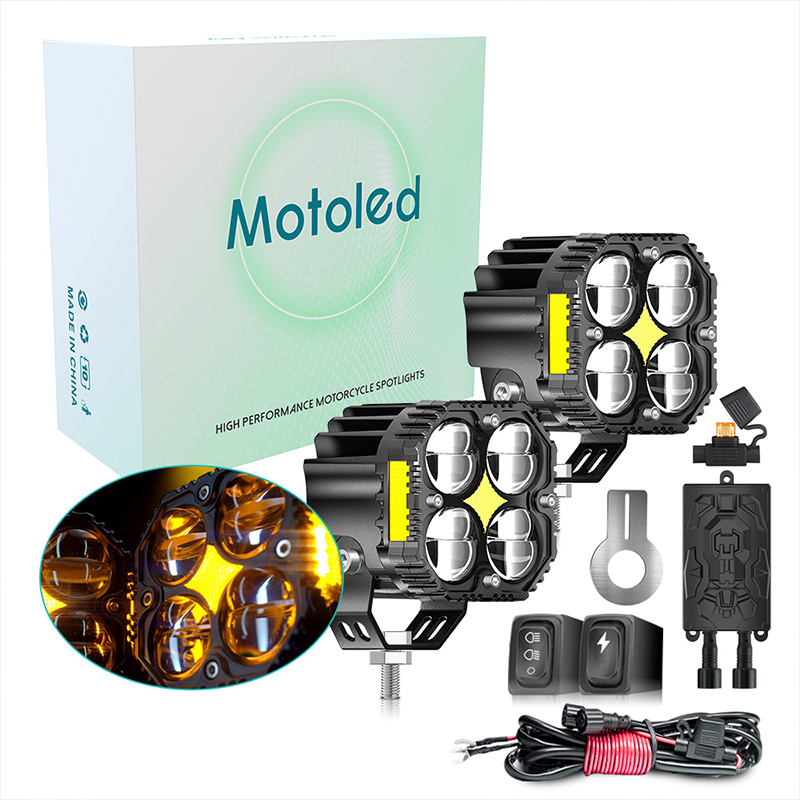
Trim levels play a significant role in determining whether a vehicle has fog lights. Manufacturers often reserve fog lights for higher-end trims, such as "Sport," "Premium," or "Limited" versions. These models come with additional features that cater to consumers seeking more advanced safety and convenience options. For instance, while a basic model might not have fog lights, a higher trim of the same vehicle may include them as standard. In some cases, fog lights are offered as part of an optional package, allowing customers to add them at the time of purchase or as an aftermarket upgrade. Therefore, if fog lights are essential to a buyer, they may need to specifically look for higher trim levels or check if the lights are offered as an optional add-on.
Fog lights are not uniformly available on all vehicles worldwide, and their inclusion often varies depending on regional regulations and the local driving conditions. This section explores how fog light regulations differ by region and how varying climates influence the use and availability of these lights.
Fog light regulations differ significantly across countries, with some regions mandating them and others leaving them as optional. In the European Union and the UK, for example, cars are legally required to have at least one rear fog light, and many vehicles are also equipped with front fog lights. These regulations stem from the region's frequent foggy conditions, where increased visibility is crucial for safe driving. In contrast, the United States does not require fog lights under federal regulations, though some vehicles, particularly those designed for all-weather use or off-road performance, may include them. Fog lights are generally considered an optional feature in the U.S., especially on lower trim levels. As a result, drivers in the U.S. may find fewer cars with fog lights compared to European drivers, who are more accustomed to driving in low-visibility weather.
The demand for fog lights is often linked to the climate and driving conditions of a particular region. Areas with frequent fog, rain, or snow are more likely to have stricter regulations regarding fog light availability. For instance, countries like the UK and Canada, which experience heavy fog and snow, have regulations that ensure fog lights are part of standard vehicle equipment. These lights are crucial in helping drivers navigate through low-visibility conditions. On the other hand, regions with milder climates, like many parts of the United States, may not have the same regulations. As a result, fog lights are less commonly found on vehicles in these areas, where fog-related driving hazards are less frequent. In such climates, vehicles may be designed with other lighting features, like adaptive headlights, which are better suited for a range of weather conditions.
Fog lights are a valuable safety feature in low-visibility conditions, but not all cars are equipped with them. There are several reasons why some vehicles, especially base models, lack fog lights. These reasons primarily stem from manufacturing decisions, cost considerations, and varying consumer needs based on region and weather conditions.
Adding fog lights to a vehicle increases production costs, which is why manufacturers often reserve them for higher trim levels. Fog lights, along with the necessary wiring, switches, and housing, add an additional $100 to $300 to the production cost. For automakers aiming to keep the base price of a vehicle competitive, excluding fog lights from the lower trims can help reduce costs. This cost-saving strategy allows manufacturers to offer vehicles at more affordable prices while still providing fog lights as a feature on higher trims, where consumers may be willing to pay more for additional safety features.
Consumer demand and regional weather conditions also play a role in whether fog lights are included in a vehicle. In areas where fog is a frequent driving hazard, such as parts of Europe, fog lights are often considered an essential safety feature. However, in regions with less fog or milder weather conditions, such as much of the United States, the demand for fog lights is lower. In these regions, manufacturers are less likely to include fog lights as standard equipment, focusing instead on other lighting technologies like adaptive headlights. Additionally, in markets where safety features are less regulated, manufacturers may choose to leave fog lights as optional add-ons to avoid inflating the vehicle's price unnecessarily.
With the advancement of automotive lighting technologies, fog lights, once a standard feature in many vehicles, are increasingly being replaced by newer headlight systems. This section explores how modern headlights are changing the need for fog lights and why some automakers are phasing them out altogether.
Adaptive LED matrix headlights are becoming more common in newer vehicles, and they are capable of adjusting the beam pattern automatically to suit road conditions, including low-visibility weather like fog, rain, or snow. Unlike traditional headlights, which project light further down the road, adaptive LEDs can direct their light downward or adjust the spread to reduce glare and increase visibility near the ground. This technology mimics the function of fog lights by improving road illumination without reflecting light back into the driver’s eyes. As a result, some modern vehicles are now designed with adaptive headlights that perform the same tasks as fog lights, eliminating the need for separate fog light units.
Many automakers are choosing to phase out fog lights in favor of advanced headlight systems, like adaptive LEDs, due to several advantages. These new systems are more energy-efficient, offer longer durability, and provide a more versatile lighting solution for various weather conditions. Additionally, adaptive headlights can be integrated into the vehicle's overall lighting design, reducing the need for separate components and simplifying the vehicle’s electrical system. As lighting technology continues to evolve, automakers see a shift toward more comprehensive headlight solutions that enhance safety while maintaining sleek and aerodynamic designs. This trend is especially common in high-end and electric vehicles, where efficiency and aesthetics are prioritized.
Feature | Fog Lights | Adaptive LED Headlights |
Beam Pattern | Wide, low beam aimed at the road | Adjustable beam for various conditions |
Visibility in Fog | Improves visibility near the ground | Mimics fog light functionality by reducing glare |
Energy Efficiency | Lower efficiency, higher energy consumption | More energy-efficient, lower power usage |
Durability | Shorter lifespan, may require replacement | Longer lifespan, fewer maintenance needs |
Integration with Car | Separate units on the bumper | Integrated system within the car's lighting design |
Regulatory Requirements | May be required in certain regions | Optional, but gaining popularity in high-end models |
Fog lights are an important feature for improving visibility in low-visibility conditions like fog, rain, or snow. If you're unsure whether your car is equipped with them, there are a few simple steps to check.
To locate the fog lights on your car, begin by inspecting the front bumper. Front fog lights are typically mounted low, below the headlights, and are often positioned near the outer edges of the bumper or within the lower grille. In some vehicles, particularly SUVs and trucks, they may be placed within the skid plate or undercarriage area. For rear fog lights, if your car has them, they are generally located on the rear bumper, often on one side. These lights are usually red and serve to make your vehicle more visible to drivers behind you in poor visibility conditions. The presence of fog lights on your vehicle can often be confirmed by looking for these specific placements.
If your vehicle is not equipped with fog lights, you still have options to improve visibility during adverse weather conditions. One alternative is to install aftermarket fog lights, which are available for many vehicle makes and models. These kits usually include the necessary components like housings, bulbs, and wiring harnesses, and can be professionally installed. If installing fog lights is not an option, you can rely on your low-beam headlights when driving in foggy conditions. Low-beam headlights are more effective than high beams in fog, as they reduce glare and improve visibility without reflecting too much light back into your eyes. Always exercise caution and drive at reduced speeds in low-visibility conditions.
Fog lights are crucial for improving visibility in low-visibility conditions such as fog, snow, or heavy rain. They play an important role in enhancing safety and preventing accidents by allowing drivers to see better and be seen more easily in poor weather.
Fog lights are specifically designed to improve visibility when driving through conditions like dense fog, snowstorms, or heavy rain. Their wide, low beam pattern helps illuminate the road directly in front of the vehicle, which is often obscured by fog or snow. Unlike high-beam headlights, which can reflect off the fog and cause glare, fog lights provide a focused, downward-facing beam that reduces light scatter. This helps drivers see road markings, curbs, and obstacles more clearly, significantly lowering the risk of accidents in these challenging conditions. Studies have shown that fog is a major contributor to multi-vehicle collisions, making fog lights an essential safety feature, particularly in regions with frequent low-visibility weather.
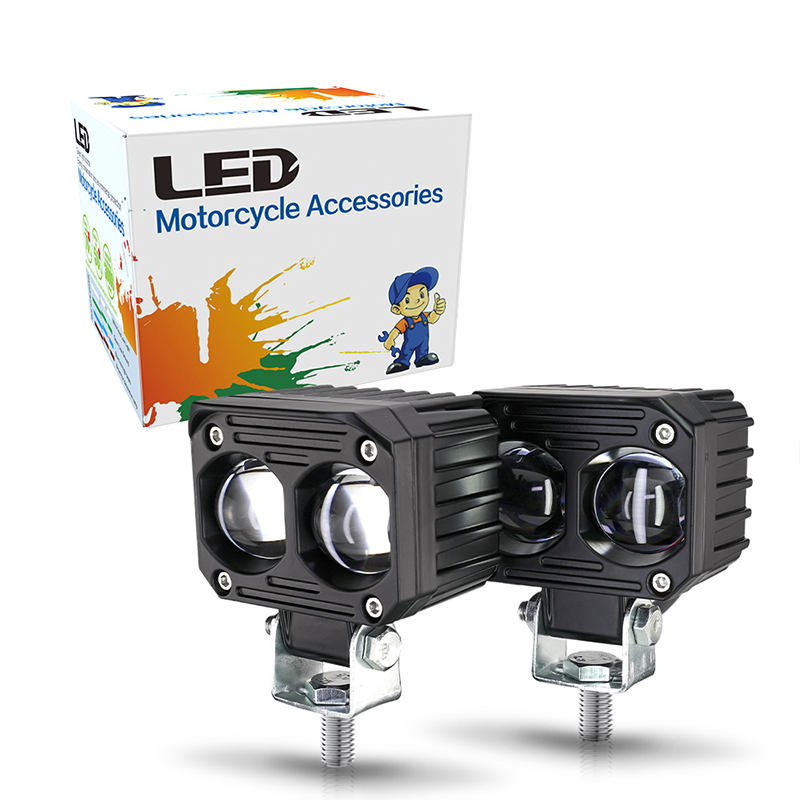
To maximize the effectiveness of fog lights and ensure safe driving, it is important to use them correctly. Fog lights should only be activated in low-visibility conditions like fog, heavy rain, or snow. Using them in clear weather can create unnecessary glare for other drivers, which may lead to distractions or accidents. Additionally, in many jurisdictions, using fog lights inappropriately—such as when visibility is clear—can result in fines. It is also important to remember that fog lights are designed to be used in conjunction with low-beam headlights, not as a replacement. Always turn off fog lights once visibility improves to avoid blinding other drivers.
Fog lights are not a standard feature in all cars, with availability varying by region and vehicle model. In some areas, fog lights are required by law, while in others, they are optional or phased out in favor of newer headlight technology.
When deciding if fog lights are necessary, consider your local weather conditions and driving habits. For those seeking reliable automotive lighting solutions, Tinye Technology CO., LTD. offers high-quality fog lights that enhance visibility in low-visibility conditions, ensuring safer driving experiences.
A: Fog lights are essential for vehicles operating in low-visibility conditions, particularly in regions with frequent fog, snow, or heavy rain. For industrial fleets, ensuring vehicles are equipped with fog lights can improve safety and reduce accident risk in challenging weather.
A: Fog lights are generally low-maintenance but may require replacement or repair over time due to exposure to harsh conditions. When considering cost, vehicles with fog lights may have slightly higher initial costs, but they can prevent accidents, offering long-term savings in damage reduction.
A: Fog lights improve visibility in dense fog and poor weather, enhancing driver safety and reducing the risk of accidents. In high-risk regions, they are crucial for compliance with safety standards and can be a key part of a fleet’s safety protocols.
A: Regulations vary by region. Some regions, like Europe, require rear fog lights for all vehicles, while others, like the U.S., do not mandate fog lights at all. Ensure compliance based on local vehicle regulations and driving conditions.


