

close
Choose Your Site
Global
Social Media
Views: 0 Author: Site Editor Publish Time: 2026-01-26 Origin: Site
Are your car lights looking cloudy or foggy? It's a common issue, but it affects more than just the appearance. Clear car lights are crucial for your safety while driving, especially at night. In this article, we will explore practical ways to clean and restore your headlights to their original clarity, ensuring better visibility and safety on the road.
Car lights, particularly headlights, are essential for driving safety, but over time, they can become cloudy or hazy. This cloudiness not only affects the appearance of your car but also compromises the effectiveness of your headlights. Understanding why car lights get cloudy is key to preventing further damage and restoring their clarity.
The primary causes of cloudiness in car lights are UV damage, oxidation, dirt buildup, and prolonged exposure to weather conditions. UV rays from the sun break down the protective coating on headlights, leading to a yellowish or foggy appearance. Over time, this oxidation process dulls the clear plastic lenses. Additionally, dirt and debris that accumulate on the lights can further trap moisture, exacerbating the cloudiness. Weather exposure, including rain, snow, and road salts, also contributes to the degradation of the headlights, as these elements wear down the materials.
Cloudy headlights significantly impair the visibility of the driver, especially during nighttime or in low-light conditions. When headlights are covered in a layer of haze, the light output is reduced, making it harder to see the road, obstacles, and pedestrians. This increases the risk of accidents, as foggy or dim headlights are less effective at illuminating the road ahead. Furthermore, cloudy car lights can make the vehicle less visible to other drivers, especially in inclement weather conditions like fog or rain, leading to potential safety hazards for both the driver and others on the road.
Headlights are a critical component of your vehicle, ensuring visibility and safety while driving. Over time, however, they can become cloudy or hazy, affecting their performance. Cleaning and restoring your car lights not only improves the look of your vehicle but also enhances driving safety. Below is a detailed guide on how to effectively clean and restore your car headlights to their original clarity.

Regular cleaning and restoration of headlights are essential for maintaining visibility and safety. Over time, dirt, oxidation, and environmental factors cause headlights to become cloudy, reducing their brightness and effectiveness. Cleaning headlights restores their light output, improving visibility in low-light conditions. Restoration goes a step further, addressing deep oxidation and discoloration, ensuring your headlights perform at their best, and making your vehicle look well-maintained.
Step 1: Clean the headlights using simple DIY methods. To begin, clean the surface of your headlights using common household products like toothpaste or baking soda. Apply a small amount of toothpaste to a microfiber cloth and rub it in circular motions across the lens. This helps to remove dirt and oxidation. For a more thorough clean, use a mixture of baking soda and water to scrub away stubborn grime.
Step 2: Restore clarity with more advanced methods. After cleaning, the next step is to restore clarity. Sand the headlights with fine-grit sandpaper, starting with a wet sanding method to remove deeper oxidation. Once the headlights are sanded, use a polishing compound to restore shine and smoothness. Finally, apply a UV sealant to protect the surface from further oxidation and UV damage.
To clean and restore your car lights effectively, you'll need a few basic tools and materials:
● Microfiber cloths for cleaning and polishing
● Toothpaste or baking soda for the initial cleaning
● Fine-grit sandpaper for sanding the headlight lens
● Polishing compound for restoring shine
● UV sealant to protect the headlights after restoration
● Masking tape to protect surrounding areas from damage
Aspect | DIY Restoration | Professional Restoration |
Cost | Lower cost (mainly for materials) | Higher cost (service fees) |
Time | Takes more time (depending on the method) | Faster, as professionals have the right tools |
Effectiveness | Effective for minor clouding and oxidation | Best for severe damage or deep oxidation |
Skill Level Required | Easy to moderate; basic tools needed | Requires expertise and specialized equipment |
Long-Term Durability | May require more frequent touch-ups | Long-lasting results with professional-grade products |
After cleaning and sanding, polishing is a crucial step in restoring the shine to your headlights. Apply a polishing compound to the headlight lens and use a microfiber cloth or a polishing pad to buff the surface. The goal is to remove any remaining imperfections and restore a smooth, clear finish. Polishing not only enhances the clarity of the headlights but also gives them a shiny, new look.
Sealing your headlights is an important step to protect them from future cloudiness and UV damage. After polishing, apply a UV sealant to the headlights. This will create a protective layer that prevents oxidation, discoloration, and damage from the sun’s UV rays. Reapplying the sealant periodically helps to maintain the clarity and performance of the headlights over time.
Once you've cleaned, restored, and sealed your headlights, it’s time for a final quality check. Inspect the headlights to ensure they are clear, smooth, and free of scratches or haziness. Turn on the car lights to verify that the brightness and clarity have improved. If the headlights still appear cloudy or dim, repeat the restoration process, or consider seeking professional help for a more thorough fix.
Maintaining clear car lights is essential not only for the vehicle’s aesthetic but also for safety. Regular upkeep ensures that your headlights continue to function effectively, providing maximum visibility and reducing the risk of accidents. Here are some practical steps to help maintain your car lights and keep them clear over time.
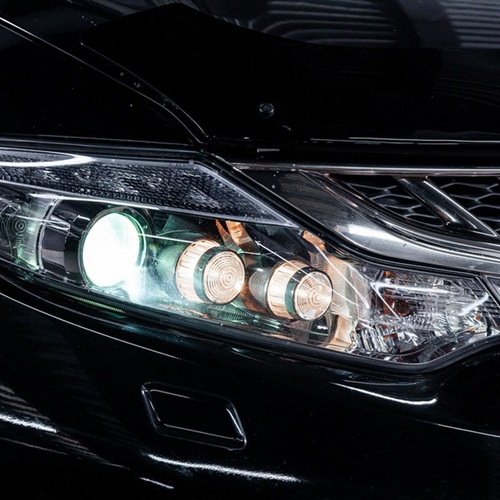
Regular maintenance is key to ensuring that your headlights stay clean and clear for longer periods. Start by cleaning your headlights with a soft microfiber cloth and mild cleaning solution to remove dirt and grime regularly. Using a cleaner specifically designed for automotive surfaces will help avoid scratches and damage. It’s also important to check the headlights every few months for any signs of oxidation or fading. A quick wipe-down with a mild detergent or water can prevent dirt buildup. Additionally, consider inspecting the bulbs to ensure they are functioning at optimal brightness and replace any that appear dim or discolored.
Preventing cloudiness or damage in your headlights is crucial for long-term clarity. One effective method is to apply a protective film or headlight cover that shields the lens from UV rays and road debris. These films provide an extra layer of protection, reducing the risk of oxidation. Regularly inspecting your headlights for chips, cracks, or any signs of damage can help catch issues early before they worsen. Using a UV sealant after cleaning and restoration will also provide a protective barrier that helps prevent the lens from becoming cloudy again. Lastly, parking your car in a shaded area or using a car cover can protect the headlights from prolonged sun exposure, further reducing the risk of fading.
Restoring cloudy or hazy car lights can significantly improve both the appearance and functionality of your vehicle. However, if not done properly, the restoration process can lead to further damage or unsatisfactory results. In this section, we will cover common mistakes to avoid during the cleaning and restoration of car lights.
One of the most common mistakes during the cleaning or restoration process is using the wrong cleaning products. Harsh chemicals or abrasive cleaners can scratch or damage the surface of the headlights, making them even cloudier. Instead, always use automotive-specific cleaners or gentle DIY solutions like toothpaste or baking soda. Another common mistake is skipping the sanding step when restoring headlights. Sanding is necessary to remove deep oxidation, and skipping this step can leave the headlights looking uneven. Lastly, many people neglect to seal the headlights after restoration. Without a protective sealant, headlights are vulnerable to UV damage, dirt buildup, and further oxidation. Always apply a UV sealant after restoration to protect the surface and maintain clarity.
While DIY restoration methods can be effective for minor cloudiness and oxidation, they have limitations. DIY methods often lack the precision and depth of professional restoration techniques. For example, deep scratches or severe oxidation may not be fully addressed by sanding and polishing at home. Additionally, DIY restoration kits may not provide the same long-term durability as professional-grade products, leading to quicker clouding or fading. If the headlights are severely damaged or the DIY method fails to restore full clarity, it's worth considering professional restoration. Professionals use specialized equipment, such as higher-grade sanders and UV coating products, ensuring more effective and lasting results. When in doubt, opting for professional restoration ensures your car lights are restored to their original condition, enhancing both visibility and safety.
Restoring cloudy or hazy headlights can significantly improve both the appearance and performance of your car lights. However, it's natural to wonder how long these improvements will last. In this section, we’ll discuss the longevity of cleaning and restoration results and the factors that influence how long your headlights will stay clear.
After cleaning or restoring your headlights, the results can last anywhere from several months to a few years, depending on the methods used and the frequency of exposure to harsh conditions. DIY methods, like using toothpaste or a basic sanding and polishing technique, may provide temporary improvements. Typically, you might need to clean or restore your headlights every 6 to 12 months to maintain clarity. On the other hand, professional restoration with UV sealants and coatings can offer longer-lasting results, sometimes lasting up to 1-2 years or more, before requiring another treatment.
Several factors can influence how long your headlights will stay clear after cleaning or restoration. Weather conditions are a major factor, as constant exposure to sunlight, rain, snow, and road salts can accelerate the clouding and oxidation of headlights. For instance, cars parked outdoors or exposed to harsh UV rays will require more frequent maintenance. Additionally, the frequency of use plays a role—headlights that are used more often in poor visibility conditions or high-intensity driving will likely need restoration sooner. Finally, the type of sealant or protective coating applied after restoration also affects longevity. Using high-quality, durable coatings can help extend the clarity of your headlights and protect them from future wear.
To make car lights clear, regular cleaning and restoration are essential. Simple DIY methods can help clean headlights, while professional restoration offers long-lasting results. Proper maintenance ensures both improved visibility and enhanced safety. At Tinye Technology CO., LTD., we provide high-quality lighting solutions designed to enhance the performance and clarity of your car lights, ensuring better safety on the road.
A: When selecting car lights for industrial applications, consider durability, energy efficiency, and compliance with safety standards. The lighting should meet operational requirements for visibility, especially in low-light conditions, and be suitable for heavy-duty environments.
A: Maintaining clear car lights is critical for ensuring optimal visibility during operations. Cloudy or hazy lights can reduce safety, leading to accidents or delays, especially in sectors requiring precise maneuvering and night operations.
A: The lifecycle cost of car lights includes initial purchase, maintenance, and energy consumption. Choosing high-quality, durable car lights may reduce maintenance costs and improve long-term reliability, providing better value over time.
A: Car lights in business fleets should be inspected regularly and restored as needed to maintain visibility. Depending on usage, restoration may be required every 1-2 years, with replacement considered after extended wear or failure.
A: Professional restoration ensures thorough cleaning, repair of damage, and application of protective coatings. This method prolongs the lifespan of car lights, ensuring better performance and safety compared to DIY methods.


