

close
Choose Your Site
Global
Social Media
Views: 0 Author: Site Editor Publish Time: 2026-01-20 Origin: Site
Have you ever installed LED lights in your car, only to face unexpected issues like flickering or warning messages? This is a common problem due to modern vehicles' reliance on electronic monitoring systems.
In this article, we will explore what a CANBus decoder does and how it solves these issues. You will learn how it helps ensure your lighting upgrades function smoothly without triggering faults in your vehicle’s electrical system.
Modern vehicles monitor lighting circuits electronically rather than mechanically. A CANBus decoder is used to keep upgraded lighting compatible with these monitoring systems, especially when replacing halogen bulbs with LEDs.
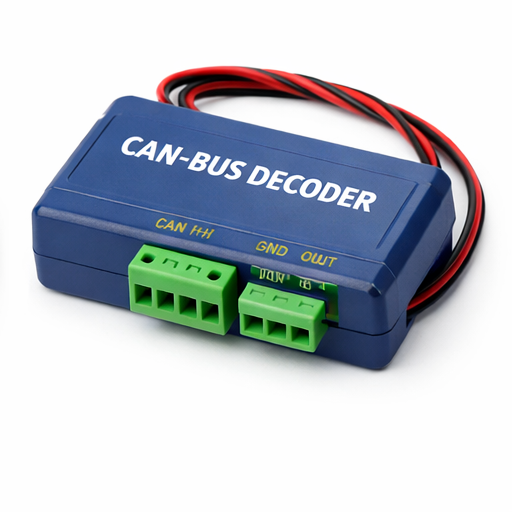
A CANBus decoder is an electronic device designed to manage how vehicle systems interpret aftermarket lighting. It adjusts electrical signals so the vehicle recognizes LED lights as normal working bulbs. This prevents false error detection caused by lower power consumption. In simple terms, it helps the vehicle accept lighting upgrades without system conflicts.
The CANBus system is the communication network linking a vehicle’s electronic control units. When lights turn on, the system checks current and resistance values. A CANBus decoder interacts with this process by modifying those values. This allows the CANBus system to confirm normal operation without triggering fault messages.
A CANBus decoder manages signals intelligently, while load resistors only add heat-producing resistance. Decoders respond dynamically to system checks, improving stability and safety. The table below highlights the key differences.
Aspect | CANBus Decoder | Load Resistor |
Function method | Signal processing | Fixed resistance |
Heat generation | Low | High |
ECU compatibility | Adaptive | Limited |
Installation safety | Higher | Lower |
A CANBus decoder is usually installed between the LED light and the vehicle’s wiring harness. This position allows it to intercept diagnostic signals effectively. Some LED products include a built-in decoder, removing the need for separate installation. Placement always depends on the vehicle’s electrical design and lighting layout.
Vehicle lighting systems rely on electronic feedback rather than simple power delivery. A CANBus decoder ensures that LED upgrades operate correctly within these monitored systems without causing errors or instability.
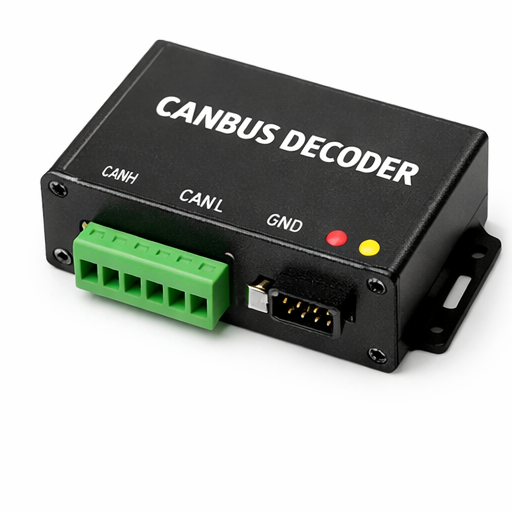
Modern vehicles use the ECU to monitor lighting circuits continuously. A CANBus decoder identifies these monitoring signals during startup and operation. This allows it to respond appropriately to system checks. Without this detection, LED lights may be flagged as faulty.
LED lights draw less current than halogen bulbs. A CANBus decoder adjusts electrical characteristics to match expected load values. This simulation prevents the ECU from detecting abnormal resistance. The lighting circuit then appears unchanged to the system.
Dashboard alerts often appear when the ECU detects unexpected electrical behavior. A CANBus decoder stabilizes signal feedback during these checks. This prevents false bulb failure warnings. Drivers receive accurate system status without unnecessary alerts.
Flickering occurs when the vehicle sends pulse signals to test bulb status. A CANBus decoder smooths these pulses before they reach the LED. This results in steady light output. Visual stability improves during both startup and driving.
Vehicles perform regular self-diagnostic routines across electronic systems. A CANBus decoder allows these routines to complete normally. It does not block or bypass system checks. Diagnostic accuracy remains intact after lighting upgrades.
A CANBus decoder simplifies LED installation by reducing wiring modifications. Many designs connect directly between the LED and factory harness. This approach avoids cutting or splicing cables. Installation remains reversible and system-safe.
Different manufacturers apply CANBus monitoring with varying sensitivity. A CANBus decoder adapts to these variations. This improves compatibility across models and regions. LED upgrades become more consistent across diverse vehicle platforms.
Modern vehicles rely on electronic control units to manage and evaluate lighting performance. A CANBus decoder operates within this system to ensure lighting upgrades remain compatible with ECU monitoring logic.
The vehicle ECU continuously checks lighting circuits for expected electrical behavior. It sends test signals to detect bulb presence and function. These checks occur during startup and while driving. Any deviation may trigger a fault response.
CANBus systems evaluate lighting through measured current, resistance, and voltage values. Halogen bulbs produce predictable electrical signatures. LED lights alter these signatures due to lower power draw. The ECU compares readings against stored thresholds to confirm proper operation.
A CANBus decoder receives monitoring signals from the ECU and adjusts electrical feedback accordingly. It modifies load characteristics to align with expected values. This interpretation prevents miscommunication between LED lighting and the control system. System feedback remains within acceptable ranges.
During vehicle startup, the ECU performs rapid diagnostic pulses. A CANBus decoder reacts instantly to these signals. It maintains stable electrical behavior under changing conditions. Lighting performance remains consistent during operation and system checks.
Modern vehicle lighting systems are sensitive to electrical changes. A CANBus decoder helps resolve common issues that appear after LED light upgrades in monitored circuits.
Vehicles often display bulb-out warnings when electrical values fall outside expected ranges. LED lights can trigger these alerts due to lower power draw. A CANBus decoder stabilizes feedback signals sent to the ECU. This prevents false warnings while keeping system monitoring active.
Flickering occurs when diagnostic pulses interact with LED circuits. These pulses are part of routine CANBus system checks. A CANBus decoder smooths signal fluctuations before reaching the LED. Light output becomes steady during startup and normal driving.
Some vehicles shut off headlights shortly after engine start. This happens when the ECU detects abnormal electrical behavior. A CANBus decoder maintains expected load characteristics during initial checks. Headlights remain active once the vehicle completes diagnostics.
Modern vehicles adjust lighting behavior based on real-time system data. LEDs without proper decoding may respond unpredictably. A CANBus decoder ensures consistent electrical interpretation across driving conditions. Light output remains stable in varying operating states.
Not every lighting upgrade requires additional electronic support. A CANBus decoder becomes necessary when vehicle monitoring systems react to changes in electrical behavior.
Many modern vehicles use detailed CANBus monitoring for exterior lighting. These systems measure electrical values continuously. Any deviation may trigger fault responses. A CANBus decoder helps align LED behavior with system expectations.
LED headlights and fog lights draw less power than factory halogen bulbs. This difference often causes system misinterpretation. A CANBus decoder corrects the electrical signature seen by the ECU. Upgraded lighting operates without system conflicts.
European manufacturers often apply stricter lighting diagnostics. Newer vehicle models also rely heavily on electronic monitoring. LED upgrades in these vehicles frequently cause warnings. A CANBus decoder reduces compatibility issues in these platforms.
Some vehicles use basic lighting circuits without monitoring. Others already tolerate low-power LED installations. In these cases, lighting upgrades may function normally. A CANBus decoder may not add measurable benefit.
Common symptoms include dashboard warnings, flickering lights, or lights shutting off. These issues often appear immediately after installation. Consistent behavior across different bulbs suggests system detection. Such signs indicate the need for a CANBus decoder.
Different methods exist to resolve lighting compatibility issues in modern vehicles. A CANBus decoder is often compared with simpler or integrated alternatives.
Load resistors increase electrical resistance to mimic halogen bulbs. A CANBus decoder adjusts signals more precisely and dynamically. Resistors generate significant heat during operation. Decoders reduce thermal risk while maintaining system communication.
Some LED products include an integrated CANBus decoder. This simplifies installation and reduces wiring complexity. External decoder modules offer flexibility across different bulbs. Choice depends on vehicle design and upgrade preferences.
A CANBus decoder provides adaptive signal handling and improved stability. Load resistors offer simplicity but limited control. Integrated solutions reduce components but limit customization. Each option balances performance, safety, and compatibility.
Installers consider vehicle monitoring sensitivity and available space. Heat management and wiring access influence solution choice. A CANBus decoder suits vehicles with complex diagnostics. Simpler systems may tolerate alternative methods.
Lighting upgrades must work reliably across different vehicle systems. A CANBus decoder plays a key role in maintaining compatibility and safe operation when electrical behavior changes.
Vehicle manufacturers apply CANBus monitoring with varying thresholds. Some systems tolerate electrical variation, while others respond aggressively. A CANBus decoder must align with these sensitivities. Compatibility depends on how strictly the ECU evaluates lighting signals.
Decoder capacity must match the electrical characteristics of the LED. Insufficient capacity may fail to stabilize signals. Excess capacity can create unnecessary heat. Proper matching ensures stable operation without stressing the circuit.
Heat is a critical factor in any electrical modification. A CANBus decoder generates less heat than load resistors but still requires ventilation. Proper placement reduces thermal buildup. Safe installation protects wiring and surrounding components.
OEM-style designs integrate decoding functions within lighting products. This reduces external components and wiring complexity. Such designs improve reliability under long-term use. System behavior remains closer to factory conditions.
Professional manufacturing ensures consistent electrical performance. Testing verifies decoder behavior under different operating conditions. This reduces compatibility risks across vehicle models. Reliable results depend on controlled design and validation processes.
A CANBus decoder helps vehicles maintain proper electrical communication after LED upgrades. It prevents common issues like flickering and dashboard warnings. Understanding how a CANBus decoder works ensures a smoother installation of LED lighting. Choosing the right decoder, such as those from Tinye Technology CO., LTD., offers reliable solutions for automotive lighting upgrades, improving compatibility and performance across various vehicle models.
A: A CANBus decoder ensures that aftermarket LED lighting is compatible with a vehicle's electronic control system, preventing errors such as flickering or dashboard warnings.
A: A CANBus decoder is essential when upgrading to LEDs in vehicles with advanced CANBus monitoring systems to prevent communication errors and maintain system stability.
A: By eliminating electrical errors and ensuring proper communication between the vehicle's ECU and lighting system, a CANBus decoder reduces downtime and enhances lighting performance.
A: While initial costs for CANBus decoders may vary, they help avoid costly errors and improve the longevity and reliability of LED lighting systems, making them a worthwhile investment in the long term.
A: A CANBus decoder adjusts the electrical signals from LED lights to match those expected by the vehicle’s ECU, eliminating false bulb-out warnings on the dashboard.
A: A CANBus decoder is ideal for vehicles with CANBus systems that monitor lighting circuits. It’s particularly necessary for LED upgrades in these vehicles to avoid errors.
A: By ensuring reliable lighting system performance and preventing diagnostic errors, a CANBus decoder enhances fleet operational efficiency and reduces maintenance costs.


