

close
Choose Your Site
Global
Social Media
Views: 0 Author: Site Editor Publish Time: 2025-12-09 Origin: Site
Motorcycle headlights are one of the most essential components of your bike, providing visibility during low-light conditions and ensuring your safety on the road. However, like any other part of your motorcycle, the headlight system is subject to wear and tear. Over time, you may encounter issues ranging from dimming lights to complete failure. Understanding the common problems that affect motorcycle headlights and knowing how to fix them can save you time, money, and unnecessary trips to the mechanic. In this article, we’ll explore some of the most common issues that can arise with motorcycle headlights and how to troubleshoot and fix them.
One of the most alarming issues a motorcycle rider can face is when the headlight refuses to turn on, especially when riding in low-light conditions. If you find yourself in this situation, there are several potential causes, and fortunately, most of them are easy to address.
Possible Causes:
Blown Bulb: The most common reason a headlight doesn’t turn on is a blown bulb. Motorcycle headlights, especially halogen bulbs, have a limited lifespan, and they eventually burn out.
Blown Fuse: Motorcycles have fuses in their electrical system to prevent power surges from damaging components. A blown fuse could stop power from reaching the headlight.
Faulty Wiring or Connections: Loose or corroded wiring can prevent the headlight from receiving power. Connections, especially in areas exposed to the elements, can degrade over time.
Faulty Headlight Switch: The switch that turns your headlight on and off can also become faulty over time. If it wears out or gets dirty, it may fail to complete the circuit needed to turn on the light.
How to Fix It:
Check the Bulb: Inspect the headlight bulb for any visible damage. If the filament inside is broken or burnt out, replace the bulb. Be sure to purchase the correct replacement for your specific motorcycle model. If you’re not sure how to replace the bulb, consult your owner’s manual for instructions.
Inspect the Fuse: Locate the fuse box, typically under the seat or near the battery, and check for any blown fuses. If the fuse is blown, replace it with one of the same rating. Always use the manufacturer’s recommended fuse to avoid electrical issues.
Examine the Wiring: Check the wiring for any signs of wear, corrosion, or loose connections. If you find damaged wiring, repair or replace it as necessary. Pay close attention to connectors that may have come loose or corroded.
Test the Headlight Switch: If the wiring and bulb are in good condition, the problem might lie with the headlight switch. Test the switch by checking for continuity using a multimeter. If it’s faulty, you may need to replace it.
A dim motorcycle headlight can be just as dangerous as a headlight that doesn’t work at all. Dim lights reduce visibility, which can be especially problematic when riding at night or in low-light conditions. If your headlight is not as bright as it should be, there are several potential reasons behind the issue.
Possible Causes:
Dirt or Cloudy Lens: The headlight lens can become dirty or cloudy over time due to exposure to dust, dirt, and road debris. A dirty or cloudy lens can scatter the light, reducing the effectiveness of the headlight.
Aging Bulb: As bulbs age, they tend to become dimmer before they completely burn out. Halogen bulbs, in particular, lose their brightness over time.
Weak Battery or Charging Issues: A weak battery or issues with the charging system can result in insufficient voltage being supplied to the headlight, causing it to appear dim.
Faulty Voltage Regulator: If the voltage regulator is malfunctioning, it may not provide the proper voltage to the headlight, causing it to dim.
How to Fix It:
Clean the Lens: Use a microfiber cloth and a non-abrasive cleaner to remove any dirt or debris from the headlight lens. If the lens is particularly cloudy, you may need to use a specialized lens cleaner or even polish the lens with a headlight restoration kit.
Replace the Bulb: If the bulb is old and dim, replace it with a new one. Ensure you’re using the correct type of bulb for your motorcycle. Some riders choose to upgrade to LED or HID bulbs for brighter and more energy-efficient lighting.
Check the Battery and Charging System: Inspect the battery to ensure it’s fully charged and in good condition. If the battery is weak, replace it. Also, check the alternator and charging system to make sure they’re functioning correctly. If the voltage output is low, consider having the system checked by a professional.
Inspect the Voltage Regulator: If you suspect the voltage regulator is malfunctioning, check its output with a multimeter to see if it’s providing the proper voltage. If the regulator is faulty, replacing it should restore the headlight’s brightness.
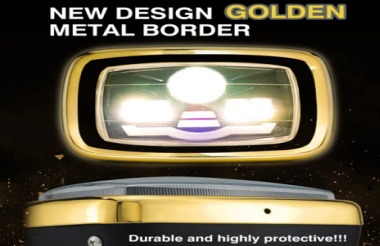
A flickering motorcycle headlight is a frustrating issue that can occur due to several factors. Flickering lights can be both an electrical issue and a mechanical problem, and it's essential to address them promptly to ensure your safety.
Possible Causes:
Loose Connections: Loose or corroded electrical connections can cause intermittent power flow to the headlight, leading to flickering.
Faulty Grounding: A poor ground connection can result in voltage fluctuations, causing the headlight to flicker.
Defective Bulb or Socket: A damaged bulb or socket can cause intermittent contact, which may result in flickering. The contacts within the socket can wear out over time, causing the connection to be unstable.
Weak Battery: A weak or failing battery may not provide a consistent power supply, leading to flickering lights.
How to Fix It:
Tighten the Connections: Inspect all the connections leading to the headlight. Tighten any loose connections and clean the terminals to ensure a solid connection. Pay special attention to ground connections, as these are often the cause of flickering lights.
Inspect the Bulb and Socket: Remove the bulb and check for any signs of damage or loose connections at the socket. If necessary, replace the bulb or socket to ensure a stable connection.
Check the Battery and Charging System: Inspect the battery for signs of weakness or damage. Test the battery voltage with a multimeter. If the battery is weak, replace it. Also, check the charging system to ensure it is providing consistent power to the headlight.
If the beams from your motorcycle’s headlight aren’t properly aligned, they can affect your visibility and the safety of your riding experience. Misaligned headlights can shine too high or too low, leading to poor road illumination and blinding other drivers.
Possible Causes:
Accidental Bumps or Collisions: Hitting a bump or small accident can misalign the headlight assembly or the mounting brackets.
Worn or Loose Mounting Hardware: Over time, the bolts and screws that hold the headlight in place can loosen, causing the headlight to shift out of alignment.
How to Fix It:
Check the Mounting Brackets: Inspect the headlight mounting brackets and bolts to ensure they are tight and secure. If any bolts are loose, tighten them to restore the headlight’s alignment.
Adjust the Beam: Most motorcycles have adjustable headlight beams, which can be changed with a simple adjustment screw located near the headlight assembly. Use the adjustment screw to realign the beam to the correct height and direction, ensuring optimal road illumination.
If your motorcycle’s headlight bulb keeps burning out, this could indicate a deeper issue with the electrical system or the type of bulb being used.
Possible Causes:
Overvoltage: A faulty voltage regulator or an alternator producing too much voltage can cause excessive current to flow through the bulb, leading to premature burnout.
Improper Bulb Type: Using a bulb that isn’t rated for your motorcycle’s electrical system can cause it to burn out more quickly.
How to Fix It:
Test the Voltage Regulator: Use a multimeter to test the output of the voltage regulator. If the voltage is too high, replace the regulator to prevent future bulb burnout.
Use the Correct Bulb: Always replace the bulb with one that is rated for your specific motorcycle model. Refer to your motorcycle’s owner’s manual for the correct bulb type and wattage.
Proper motorcycle headlight maintenance is essential to ensure your safety and visibility on the road. Whether it’s troubleshooting an issue with the bulb, addressing electrical problems, or adjusting the alignment, knowing how to diagnose and fix common headlight issues can save you time and prevent more severe problems down the road.
At Tinye Technology Co., Ltd., we specialize in high-quality motorcycle lighting solutions, offering products designed for durability, safety, and optimal performance. If you are experiencing any of these issues with your motorcycle headlight or need assistance with any other motorcycle components, our expert team is here to help. Feel free to contact Tinye Technology Co., Ltd. for more information or to discuss your needs. We are committed to providing you with the best solutions to keep your motorcycle running smoothly and safely.


