

close
Choose Your Site
Global
Social Media
Have you ever been blinded by misaligned headlights while driving at night? Properly adjusted car lights are essential for both your safety and that of others on the road. Misaligned headlights can reduce your visibility and cause dangerous glare for oncoming drivers. In this article, we will discuss why it's important to adjust your car lights and how this simple task can improve your night driving experience.
You’ll learn the two main methods for adjusting car lights: using interior controls and manual adjustments, and how to do them safely and effectively.
Headlight adjustment is essential for safe driving, especially during nighttime or in low-visibility conditions. Properly aligned car lights not only enhance your ability to see but also ensure that you do not blind other drivers. Misalignment can lead to unsafe driving conditions and impact your overall road safety. This section will explore why headlight alignment is important and how to recognize when adjustment is necessary.
Headlights need regular alignment to maintain optimal visibility. Misaligned headlights can cause several issues, such as blinding oncoming drivers and reducing your own ability to see the road clearly. If the headlights are too high, they will shine directly into the eyes of other drivers, impairing their vision. If they are too low, you might not be able to spot pedestrians, road signs, or obstacles in time, increasing the risk of accidents. Regular adjustment ensures that your car lights provide the right amount of illumination for safe driving without affecting others on the road.
There are several signs that indicate it's time to adjust your car lights. If you notice that oncoming drivers are flashing their high beams at you, it's a clear indication that your headlights might be too high. Similarly, if you feel like your visibility is compromised at night or in foggy conditions, your car lights could be misaligned. Another common reason to adjust your headlights is after replacing a bulb or headlight assembly. The new parts may not be properly aligned with the existing ones, affecting the overall beam pattern. Adjusting your headlights ensures that they are aligned for optimal safety and visibility.
When headlight assemblies are damaged or replaced, misalignment can occur. A damaged assembly may cause the headlights to shift, altering the direction and intensity of the light. Similarly, when new assemblies are installed, they may not be perfectly aligned with the vehicle’s original settings. This can lead to uneven or ineffective lighting, making it essential to adjust the headlights after replacement. Proper adjustment helps maintain safety by ensuring the headlights illuminate the road correctly and do not cause glare for other drivers.
Properly adjusting your car lights is essential for safe driving, especially at night or in poor visibility conditions. There are two main methods for adjusting your headlights: using interior controls for quick adjustments and manually adjusting the headlight assembly for more permanent solutions. Both methods ensure that your headlights are aimed correctly, improving visibility and reducing glare for other drivers.

Many modern vehicles are equipped with an interior headlight adjustment dial or button. This feature allows you to easily adjust your headlights without the need for manual tools. The adjustment dial is typically located to the right of the steering wheel or on the dashboard. For vehicles that carry heavy loads or passengers, this dial can be used to temporarily lower the headlights to prevent them from shining too high due to the rear of the vehicle sagging. Set the dial to "0" for normal driving, and adjust it accordingly when carrying additional weight. For accurate adjustments, ensure the car is on level ground, and make small adjustments rather than large, drastic changes.
When more precise or permanent adjustments are needed, manual adjustment of the headlight assembly is necessary. This involves using screws or bolts located on the headlight assembly to adjust the vertical and horizontal angles of the lights.
● Vertical adjustment (up and down) To adjust the vertical angle of the headlights, locate the vertical adjustment screw, typically found near the top of the headlight assembly. Use a screwdriver to turn the screw clockwise to raise the beam or counterclockwise to lower it. The ideal beam should be slightly below the horizontal line to avoid blinding other drivers.
● Horizontal adjustment (left and right) The horizontal adjustment screw is used to center the headlights on the road. Turn the screw to move the beam left or right, ensuring the brightest part of the beam is aligned with the center of your lane. Proper horizontal adjustment helps prevent glare for drivers in adjacent lanes.
To perform manual adjustments, you will need a few basic tools. A Phillips-head screwdriver is typically required to turn the adjustment screws. Additionally, a tape measure and spirit level will help ensure the vehicle is positioned correctly and the beams are aligned properly. Use the tape measure to mark reference points on a wall, and the spirit level to verify that the car is parked on flat ground. These tools are essential for achieving an accurate headlight adjustment.
Proper preparation is key to ensuring your car lights are adjusted correctly. Before beginning the adjustment process, you need to set up the environment and accurately measure the headlight position. By following the right steps, you can make sure your headlights are aligned for optimal visibility and safety.
To begin the headlight adjustment process, choose a flat, well-lit surface for your car. A smooth, vertical wall or a garage door works best for this task. Ensure that the ground is level to prevent inaccurate alignment. Park your car about 25 feet away from the wall to allow enough space for proper adjustment. Make sure the car is perpendicular to the wall to get accurate readings and alignment.
Accurate measurement of the headlight position is crucial for the adjustment process. Start by marking the center of each headlight on the wall using painter's tape. This can be done by measuring the distance from the ground to the center of each headlight and transferring those measurements to the wall. Use a level to ensure that the tape is placed evenly, as any misalignment at this stage can lead to incorrect adjustments. These marks will serve as the reference points for the vertical and horizontal adjustment of your headlights.
Adjusting your car lights correctly is crucial for driving safely, especially at night. Misaligned headlights can cause discomfort to other drivers and reduce your ability to see clearly on the road. Follow these detailed steps to ensure your car lights are set at the correct angle for optimal visibility.
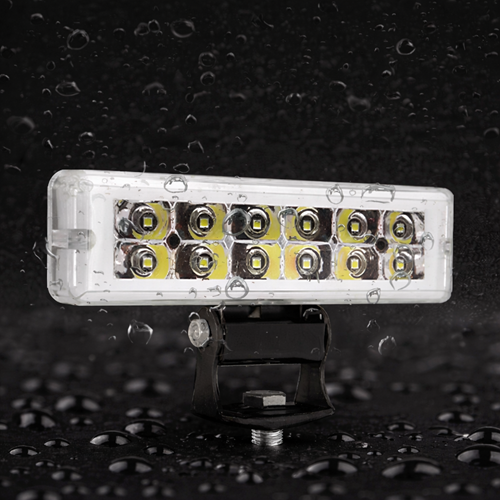
To adjust the vertical alignment of your headlights, locate the vertical adjustment screw behind each headlight assembly. This screw is used to raise or lower the beam. Turn the screw clockwise to raise the beam and counterclockwise to lower it. The ideal position for the beam is just slightly below the horizontal line on the wall to avoid blinding oncoming drivers. You can check the alignment by observing the brightest part of the beam, which should align with the tape marks on the wall. This ensures that the headlights are set at the correct height for safe driving.
Proper horizontal alignment is necessary to prevent the headlights from shining into the eyes of oncoming traffic. To adjust the horizontal angle, locate the horizontal adjustment screw. Turn the screw to shift the beam left or right. The brightest part of the beam should be centered on the vertical tape line on the wall or slightly to the right, depending on the country’s driving regulations. This alignment ensures that the lights illuminate the road without causing glare to other drivers.
Once you've made the adjustments, it's important to test the headlights to ensure they are properly aligned. Drive your car on a dark, quiet road at night to verify the beam’s effectiveness. If you notice that the lights are still blinding other drivers or that the road is poorly illuminated, you may need to make further adjustments. If the beams aren’t aligned after testing, you can repeat the adjustment process or consult a professional mechanic to fine-tune the alignment. Regularly testing your adjustments helps ensure that your car lights provide the best visibility and safety while driving.
Adjustment Type | Goal | Adjustment Method | Tools Needed |
Vertical Adjustment | Ensure the beam height is correct to avoid blinding other drivers | Use the vertical adjustment screw to raise or lower the beam | Screwdriver, spirit level, tape measure |
Horizontal Adjustment | Ensure the beam is aligned properly for optimal road visibility | Use the horizontal adjustment screw to center the beam, slightly to the right | Screwdriver, spirit level, tape measure |
Even after following the adjustment steps, you may encounter some common issues with your car lights. These problems, such as uneven headlights or misaligned beams, can affect your driving safety. Understanding how to identify and fix these issues will help ensure that your headlights are correctly aligned.
If one headlight is higher than the other, it typically indicates uneven vertical alignment. This can be fixed by adjusting the vertical screw of the higher headlight. Start by turning the screw counterclockwise to lower the beam until both headlights are aligned properly. Ensure that both beams shine in the same direction, with the top of the beam slightly below the horizontal tape line on the wall. This adjustment will correct any misalignment and improve your driving visibility.
Misaligned horizontal beams can result in poor road visibility and may cause glare for other drivers. To correct this, adjust the horizontal alignment screws for both headlights. The beams should be directed straight ahead or slightly to the right, depending on your driving side of the road. Use a tape measure to ensure both beams are centered on the wall marks, making sure the brightest part of each beam aligns with the vertical line. This adjustment will improve your road visibility without affecting other drivers.
After replacing headlight bulbs, recalibrating the headlights is essential. New bulbs, especially LED or HID types, can differ in light output compared to the original ones. This can lead to misaligned beams. Adjusting the headlight position after bulb replacement ensures the lights shine at the correct angle, preventing glare for other drivers and improving your visibility. Always refer to your vehicle's manual for specific instructions on recalibrating after bulb replacement, as some vehicles may require specific settings or additional adjustments.
Adjusting your car lights is an important task, but it's essential to take certain safety precautions. Improper handling or failure to follow the correct procedures can lead to damage or even injury. This section will discuss the key safety steps to follow during headlight adjustment.
When adjusting your headlights, it's important to avoid direct contact with the beams. Headlight bulbs, especially halogen types, can get extremely hot and cause burns. Always ensure that the lights are turned off and have cooled down before attempting any adjustments. Additionally, use the proper tools, such as a Phillips screwdriver and spirit level, to avoid damaging the headlight assembly. Using the wrong tools can strip screws or damage the adjustment mechanisms, leading to costly repairs.
While many car owners can adjust their headlights themselves, some situations may require professional help. If your headlights are misaligned due to a damaged headlight assembly or if the adjustment screws are difficult to access, it may be best to consult a mechanic. Mechanics have the expertise and equipment to perform precise adjustments that may be difficult to achieve with DIY methods. If you are unsure about the procedure or lack the proper tools, it’s always safer to seek professional assistance to ensure optimal headlight performance.
Adjusting your car lights is vital for safe driving, especially at night. Proper vertical and horizontal alignment ensures better road visibility and prevents glare for other drivers. Regular checks are essential to maintain optimal headlight performance. At Tinye Technology CO., LTD., our high-quality car lights offer durability and easy installation, providing enhanced safety and visibility on the road. Regular alignment checks ensure that your Tinye lights perform at their best.
A: Regular adjustment of car lights ensures optimal visibility and minimizes glare for other vehicles, improving safety and operational efficiency in industrial settings. Misaligned lights can affect the performance and safety of fleet vehicles.
A: Professional car light adjustment requires a screwdriver, tape measure, spirit level, and potentially a vehicle-specific tool kit. These tools ensure accurate vertical and horizontal alignment for proper road visibility.
A: Improper alignment of car lights in fleet vehicles can result in reduced visibility, increased risk of accidents, and operational inefficiencies, impacting overall fleet safety and compliance.
A: Regular maintenance of car lights, including alignment, reduces the risk of costly repairs, vehicle downtime, and safety violations, ensuring long-term operational efficiency and cost savings.


